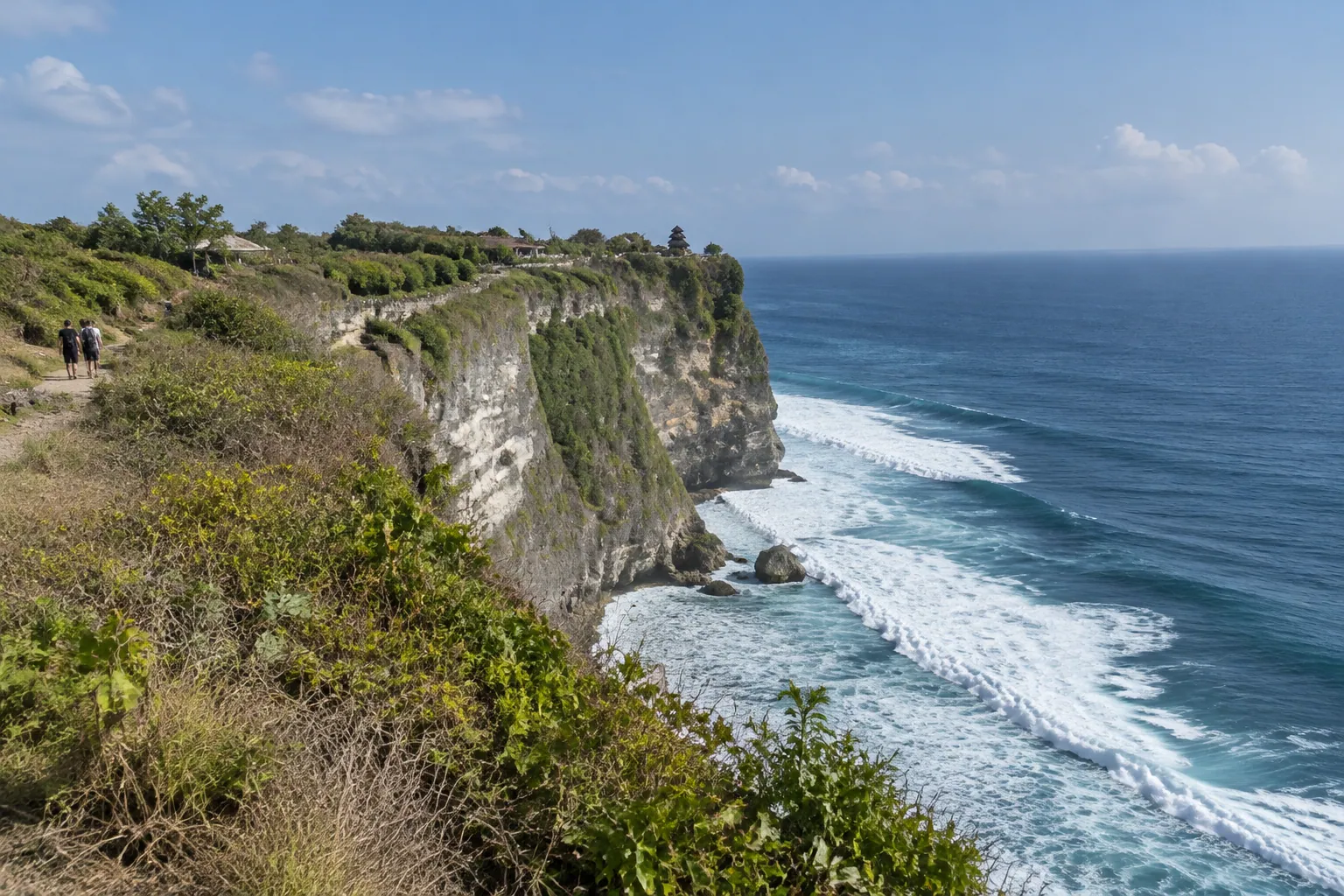
Bali is warm all year, with daytime highs of about 29°C to 31°C. The real difference between months is rain, crowds and price. The drier months suit beaches, temples and trekking, while the wet months bring humid days and afternoon showers. This guide explains each season, so you can match your dates to your priorities.
What is the best time to visit Bali?
May, June and September usually give the best balance. Rain is low, the weather is comfortable for outdoor touring, and crowds are lighter than in July and August. Travellers who want a first trip with few weather worries should look at these three months first. October is a late dry-season month, and it is workable, though showers become more frequent. April is the start of the dry season and is increasingly reliable for beaches and excursions.
Bali's seasons at a glance
- April to October: the drier season, with the lowest rain in July, August and September.
- November to March: the wet season, with more humid days and rain, and the heaviest rain from December to February.
- July and August: the driest and busiest months, with peak pricing and heavy traffic.
- December: the holiday period, with high demand and elevated prices around Christmas and New Year.
Month by month: weather in Bali
Figures are typical values from our destination research, with rainfall in millimetres for the month.
- January: 24°C to 31°C, about 340 mm of rain. Wet season, hot and humid.
- February: 24°C to 31°C, about 270 mm. Humid, with frequent showers and occasional rough seas.
- March: 24°C to 31°C, about 215 mm. Rainfall is easing.
- April: 24°C to 31°C, about 90 mm. The dry season begins.
- May: 23°C to 30°C, about 75 mm. Relatively dry, with lighter crowds.
- June: 22°C to 29°C, about 55 mm. Dry and comfortable, with demand rising.
- July: 22°C to 29°C, about 50 mm. Peak dry season, with higher prices and traffic.
- August: 22°C to 29°C, about 35 mm. The driest and busiest month.
- September: 22°C to 30°C, about 55 mm. Mostly dry and less crowded than July and August.
- October: 23°C to 31°C, about 110 mm. Showers become more frequent.
- November: 24°C to 31°C, about 170 mm. The wet season begins.
- December: 24°C to 31°C, about 280 mm. Rainy, with high holiday demand.
For a closer look, read the guides for May, June, September, July or December.
Which months do travellers regret?
Travellers often describe July and August as difficult. The dry-season weather attracts peak crowds and higher prices, especially in southern Bali and at famous photo spots. December and January can disappoint too, because of the monsoon tail and holiday-season demand. If you must travel in these months, plan quieter areas and shorter days out.
What about the wet season?
Wet-season days are hot and humid, and rain tends to arrive as showers, so short windows for sightseeing often remain. Sea conditions can be rougher in February, which matters for boat trips to Nusa Penida. Choose hotels with a good pool and indoor options, keep plans flexible and build in spare time. The upside is that you may find lower demand outside the Christmas and New Year period.
Which month suits which traveller?
- Honeymoon couples: May, June and September, for dry weather and a calmer pace.
- Families: June to September, when weather is more settled, though July and August are busy.
- Budget travellers: May, June or September, when prices are more moderate than in peak weeks.
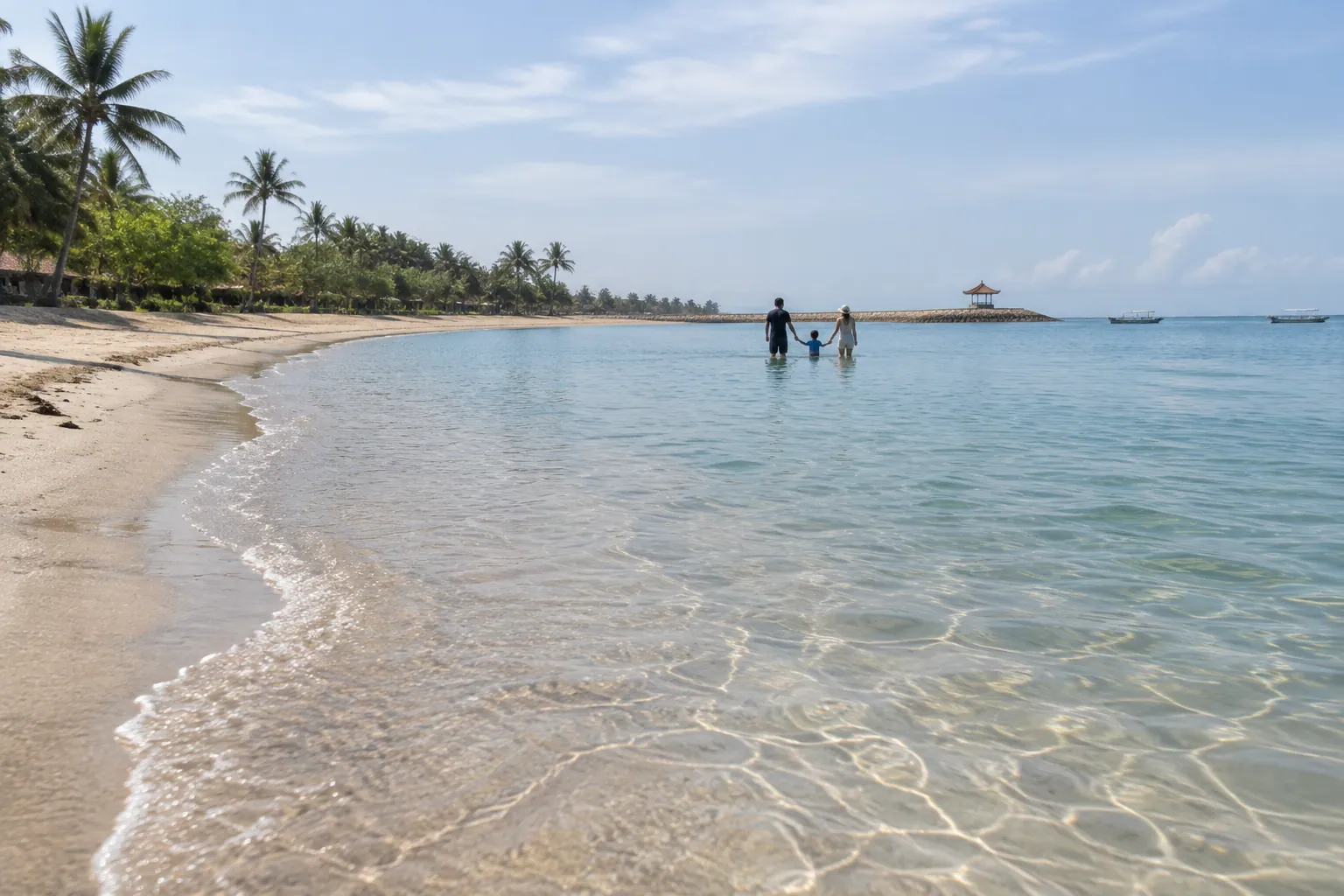
- Beach and diving fans: July and August for the driest conditions, if you accept crowds.
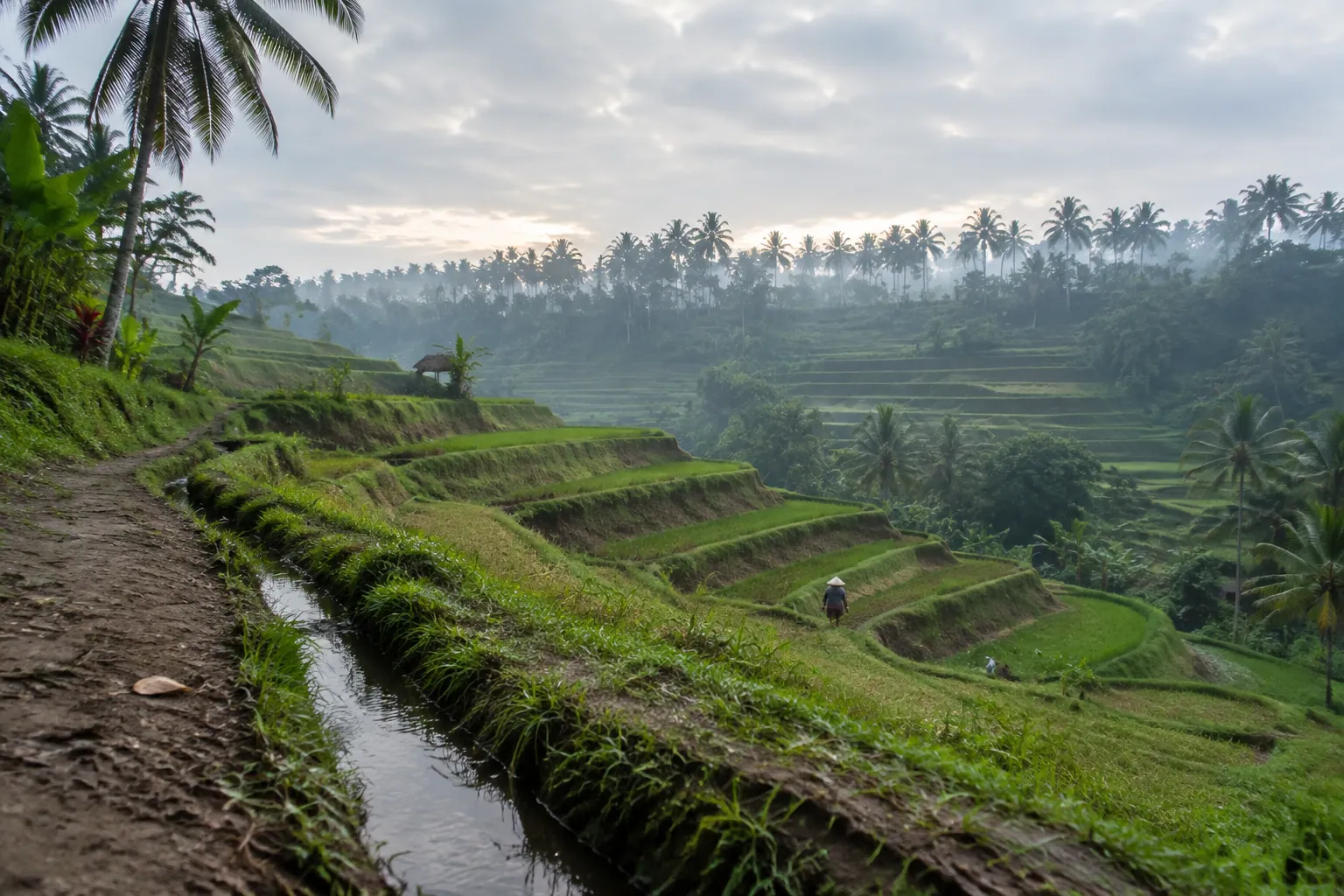
- Hikers: the dry months, because the Mount Batur climb and rice-terrace walks are easier without rain.
How should crowds and prices shape your dates?
July and August combine strong demand with higher hotel rates and congested roads. May, June and September are usually easier to operate. Christmas and New Year are also busy and costly. If your dates are fixed to school holidays, book early and keep each day light, because roads will be slow. Our packages are land-only, so check flight prices for your dates separately. For more on cost drivers, see Bali trip cost.
How was this guide compiled?
This guide is compiled from published tourism, weather and transport information and traveller reports about Bali, and was last checked on 2 November 2026. Weather varies from year to year, so check a forecast before you travel.
Where to go next
Choose where to base yourself with places to visit in Bali, plan your days with things to do in Bali, and check flights in how to reach Bali. See the Bali travel guide for the overview and our Bali tour packages for ready routes.