01
Alappuzha
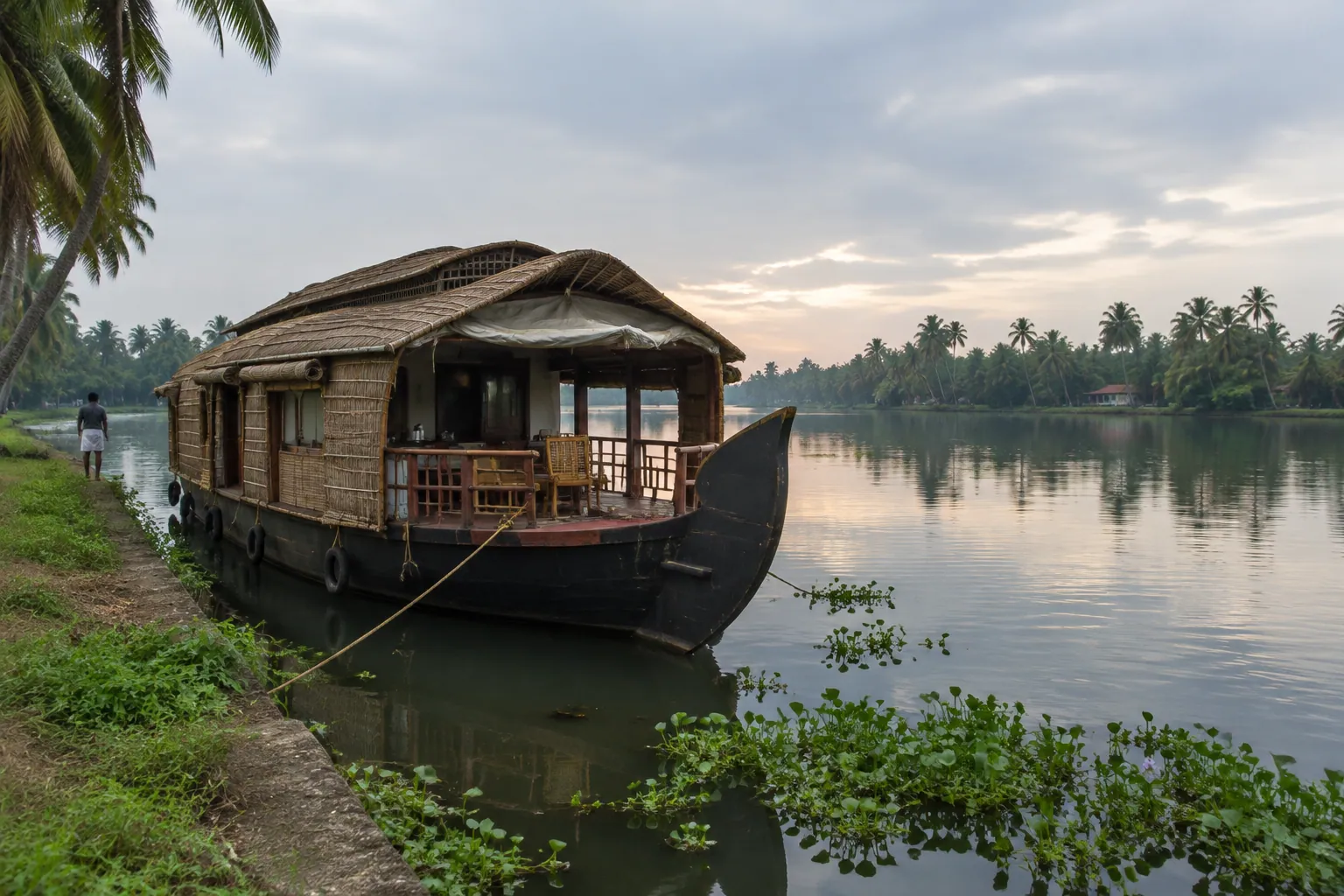
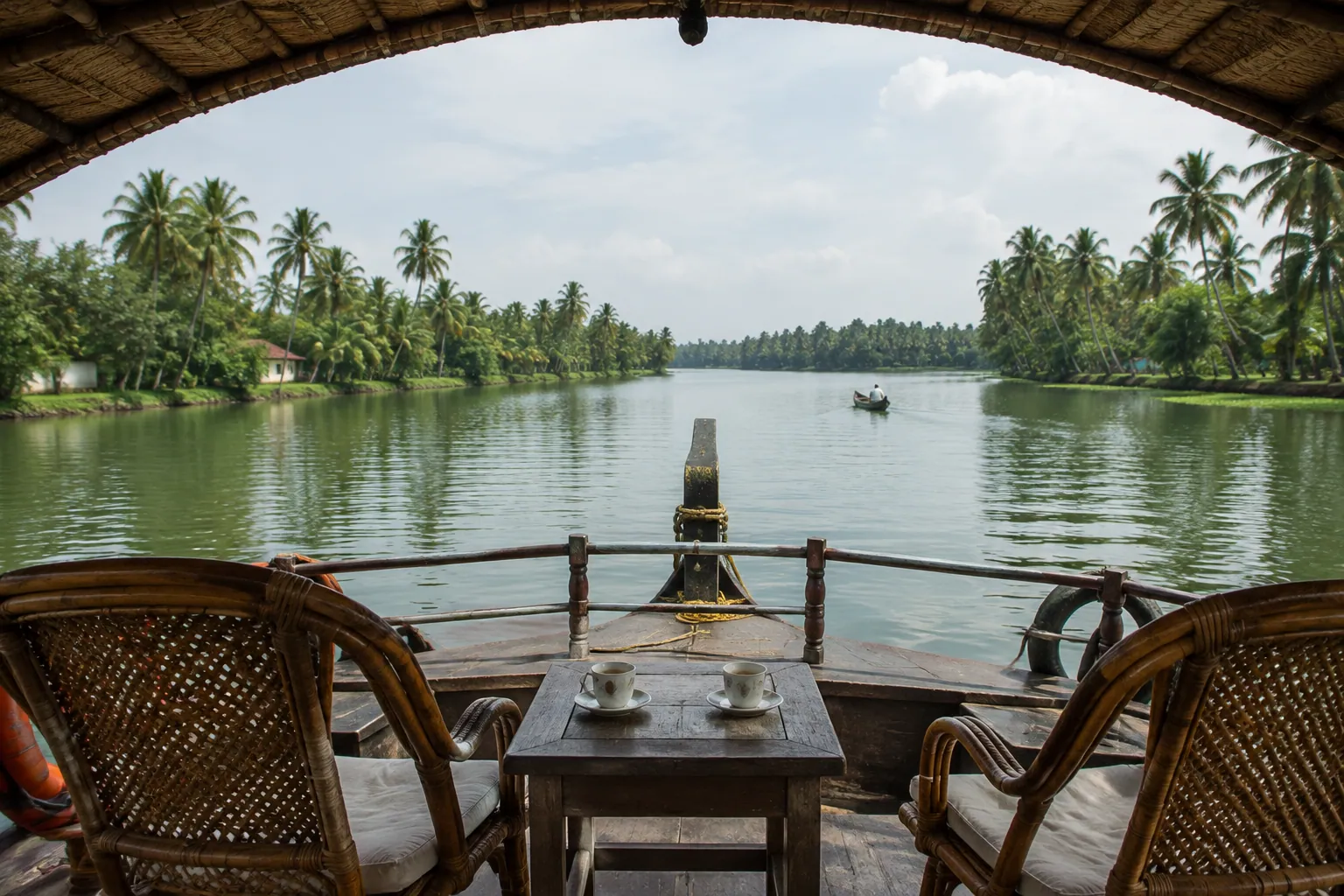
heritageExperience a private overnight kettuvallam through paddy-field backwaters and village canals.
Kerala travel guide
The top places to visit in Kerala are Kochi, Munnar, Thekkady, Alappuzha, and Kovalam or Varkala. Together they cover heritage, tea hills, wildlife, backwaters and beaches. Seven days is ideal for this route. October to March is the best window, though November to February is busiest. Stops are far apart, so skip Wayanad and Bekal on a first trip.
Facts checked 1 Nov 2026
Experience a private overnight kettuvallam through paddy-field backwaters and village canals.
Visit Bekal Fort and the nearby beaches on a northern Kerala itinerary.
Explore Fort Kochi’s colonial streets, Chinese fishing nets, art spaces and historic waterfront.
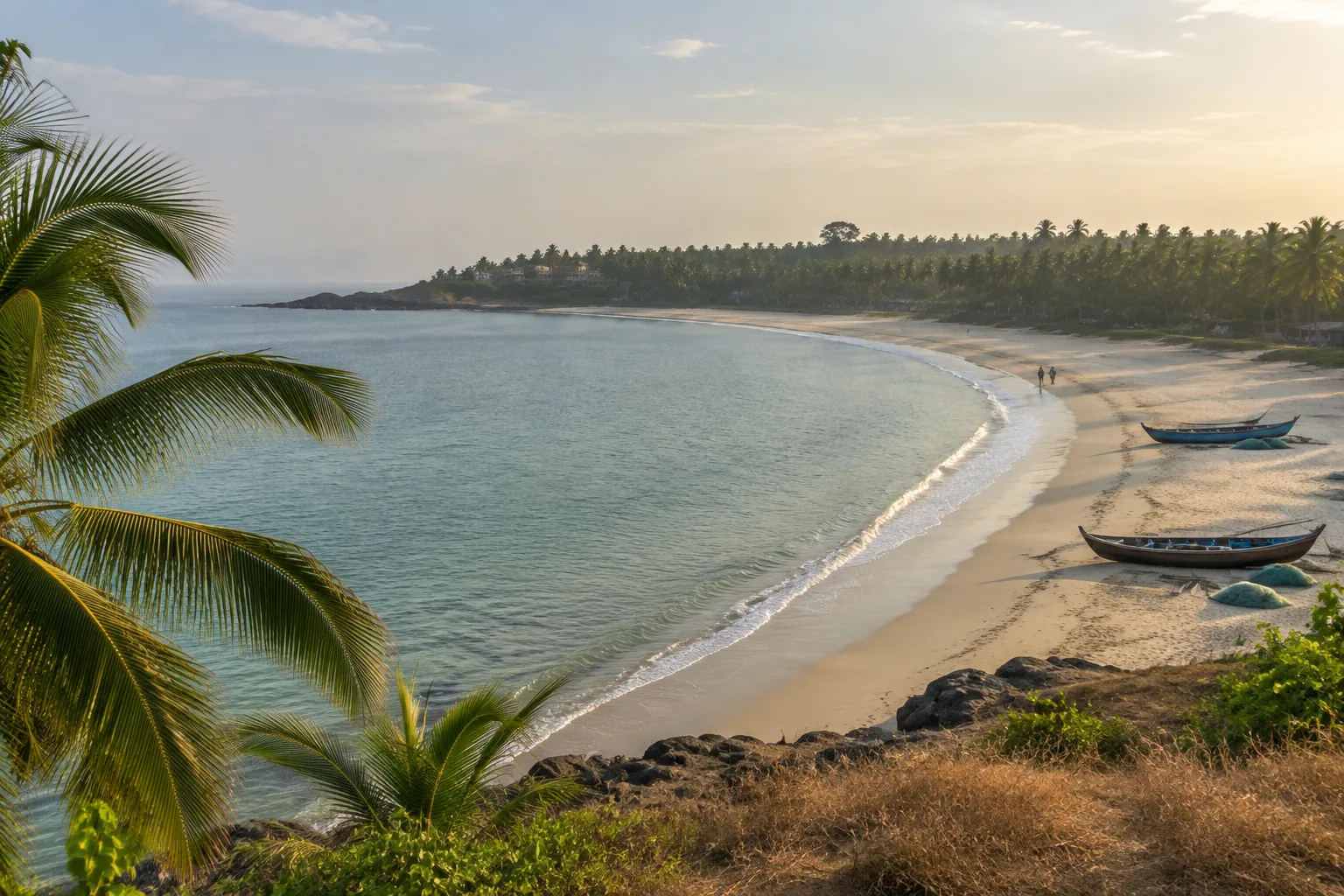
Relax on a sheltered south-Kerala beach near Thiruvananthapuram and combine it with wellness stays.
Stay beside Vembanad Lake for birding, village canoeing and quieter backwater scenery.
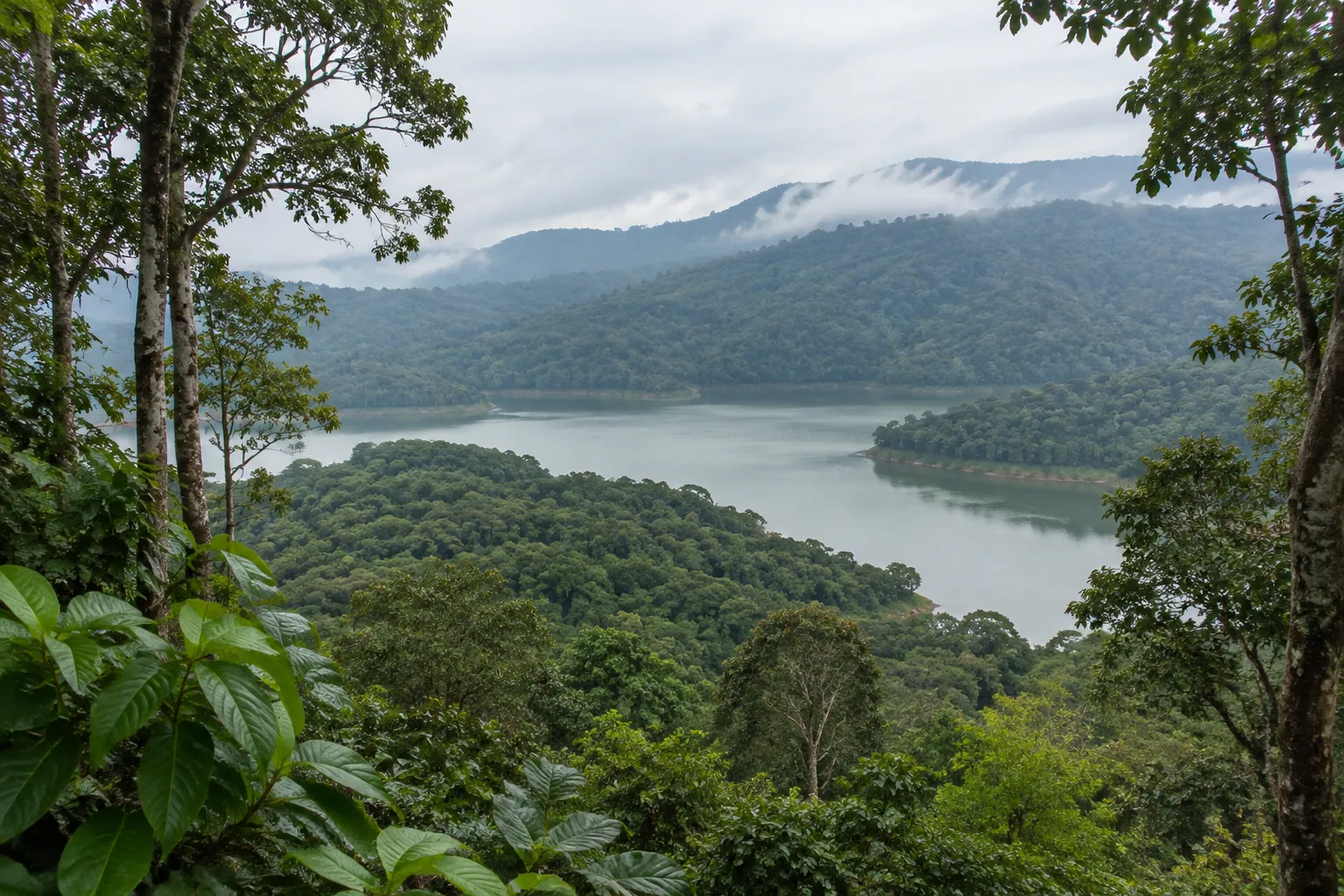
Walk among tea plantations and visit highland viewpoints in Kerala’s Western Ghats.
Combine Periyar landscape views with guided nature walks, bamboo rafting or spice-estate visits.
See Kerala’s capital, museums and the surrounding cultural attractions before departure.
Pair dramatic laterite cliffs with sunset walks, yoga and the Papanasam beach setting.
Visit forested hills, caves, waterfalls and plantation country in northern Kerala.
Kerala's best-known places sit in different parts of a long, narrow state, and the most common planning mistake is underestimating the distances between them. Munnar, Thekkady and Alleppey are each a worthwhile stop, but road journeys between them are slower than the map suggests, especially in monsoon rain. Choose your places first, then decide how many nights you need.
Kerala's main experiences are geographically separated: heritage in Kochi, tea country in Munnar, forest and spice country around Thekkady, backwaters at Alleppey and Kumarakom, and beaches at Varkala and Kovalam. Travellers who try to see everything in a short trip usually say they spent more time in the car than at the places. Pick a central-south route of four to six stops, and treat Wayanad and Bekal as a separate northern trip.
Kochi is the usual arrival point and a good first stop. Explore Fort Kochi's heritage streets, the Chinese fishing nets, Mattancherry and the waterfront. Plan about two days, and allow extra road time between the airport, Ernakulam and Fort Kochi, especially during peak traffic.
Munnar offers tea plantations, viewpoints and cool highland scenery in the Western Ghats. Plan about two days. The hill road from Kochi is winding, so travel in daylight and carry a light jacket. Travellers also warn that paths in the tea estates can be wet and slippery, so closed shoes with a good grip help, and hot water in hill-station hotels can be limited.
Thekkady combines Periyar-area boating or guided nature activities with spice plantations and forest scenery. Plan about two days. Book limited-capacity park activities in advance during November to February. Some travellers find a standard wildlife boat ride less rewarding in the monsoon and prefer a spice-plantation visit or a guided nature activity instead.
Alappuzha is where most travellers take a backwater cruise or houseboat through canals, paddy fields and village landscapes. Plan at least one day. Confirm the boarding point, cruise hours and whether meals are included before booking. Travellers report that houseboats must return to the jetty by about 6 PM, so an overnight booking does not always mean cruising overnight, and that boat quality varies, so check the operator and the boat carefully.
Kumarakom is a quieter backwater setting around Vembanad Lake, with village experiences and birdwatching. Choose a property or cruise based on the exact lake access rather than the town name alone. It suits travellers who want a slower, calmer stay than Alleppey.
Varkala has a cliff-top beach area and the nearby Janardhana Swami Temple; use the cliff access routes carefully after rain, because surfaces can become slippery. Kovalam is a sheltered south Kerala beach that combines well with Thiruvananthapuram and wellness stays. Check sea conditions before swimming and use marked bathing areas.
Kerala's capital offers museums and surrounding cultural attractions, and it is a practical last stop before departure. Schedule the airport or railway transfer outside the city's busiest traffic periods.
Wayanad has forested hills, caves, waterfalls and plantation country, and Bekal has Bekal Fort and nearby beaches. Both are in northern Kerala and distant from Kochi and Thiruvananthapuram, so they work best on a separate north Kerala route. Keep buffer time for winding roads and monsoon-related access changes.
Kerala stays range from budget guesthouses and homestays to comfortable 3-star and 4-star hotels, upscale resorts and heritage hotels. Fort Kochi, Munnar, Kumarakom, Thekkady, Varkala and Kovalam are the usual bases. Comfort and pacing matter more than fitting every famous stop into the trip, so confirm hotel and boat quality in advance.
Our planners link these places into routes that avoid long, repeated transfers. See our Kerala tour packages, check the season in best time to visit Kerala, plan activities in things to do in Kerala and read how to reach Kerala.
Ready-made trips
Munnar 2N · Thekkady 1N · Alleppey 1N · Kochi 1N
Kochi 1N · Munnar 2N · Thekkady 1N · Alappuzha 1N · Kovalam 1N
Kochi 1N · Munnar 2N · Thekkady 1N · Alappuzha 1N · Kovalam 1N
*Approximate price per person, excl. GST. Contact us for exact pricing.
Packages cover stays, transfers, sightseeing and meals as listed. Flights are not included. Prices are per person, excl. GST.
FAQs
Short answers to what travellers ask about Kerala.
Kochi, Munnar, Thekkady, Alleppey and Kumarakom for the backwaters, and Varkala or Kovalam for the beach are the main stops. Wayanad and Bekal are in northern Kerala and suit a separate route rather than a first central-south trip.
Five days covers a compact Kochi, Munnar and Alleppey route, and seven days allows a balanced mix of hills, wildlife, backwaters and a beach. Three days is tight, and fourteen days is too long unless you add northern Kerala.
It is possible but rushed. Distances between them are easy to underestimate and monsoon roads make them slower. Travellers often regret packing all three into a few days, so allow at least five days or drop one stop.
Alleppey is the classic houseboat and canal experience, while Kumarakom is quieter, with Vembanad Lake, birdwatching and village experiences. Choose Kumarakom for a calmer stay and Alleppey if the houseboat cruise is your priority.
Yes, for tea plantations, viewpoints and cool highland scenery. Plan two days, travel the winding hill road in daylight, and carry a light jacket. Rain can make tea-estate paths slippery, so wear closed shoes with a good grip.
Varkala has a cliff-top beach area and the Janardhana Swami Temple, while Kovalam is a sheltered beach near Thiruvananthapuram that suits wellness stays. Check sea conditions and use marked bathing areas at both.
Not usually. Wayanad and Bekal are in northern Kerala, far from Kochi and Thiruvananthapuram, so they work best on a separate northern route. Keep buffer time for winding roads and monsoon-related access changes.
Travellers rarely use a single base, because the main experiences are far apart. Most split a trip among Kochi, Munnar and Alleppey, and add Thekkady and a beach if there is time.
Tell us when you want to travel and who is coming. A trip expert builds a day-by-day plan with prices that you can change.
Prefer to answer a few questions step by step? Use the trip planner.