Kerala is a year-round destination, but the season changes what you will see and do. October to March is generally the most comfortable, with drier weather for beaches, backwaters, hill stations and wildlife, and November to February is the busiest. The southwest monsoon from June brings lush scenery, heavy rain and lower prices. This guide goes month by month so you can pick the season that fits your trip.
What is the short answer?
Go between October and March for the easiest sightseeing. January to March is dry and warm, and the peak demand is November to February, so book hotels, houseboats and trains early. If you prefer greenery, Ayurveda and lower prices, the monsoon months can work, but plans are weather-sensitive.
January to March: dry and busy
January is excellent for sightseeing, beaches and backwaters, with highs around 31°C, very little rain and peak-season demand. February is dry and warm, around 32°C, with excellent conditions and peak-season pricing. March is good for touring but increasingly hot, around 33°C, especially in lowland areas, with fewer visitors than winter.
April to May: hot and humid
April is hot and humid, around 33°C, with pre-monsoon showers, and hill stations such as Munnar are more comfortable than the plains. May is warm, humid and showery, with heavier rain building up before the monsoon. These months suit lower prices and wellness stays rather than a busy sightseeing schedule.
June to September: the monsoon
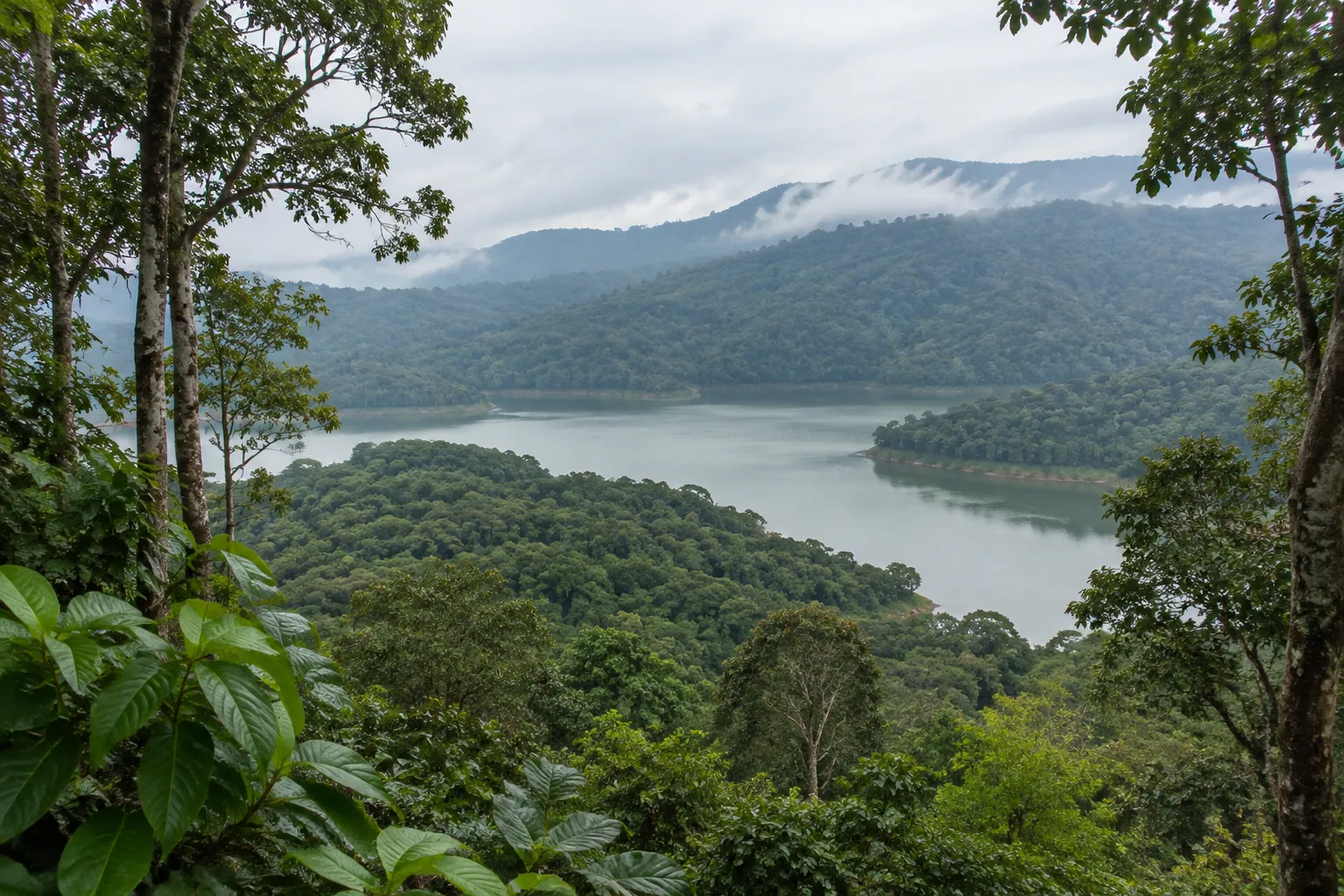
June brings the southwest monsoon, with heavy rain of about 650 mm and highs near 29°C. July is the wettest period in many areas, with about 700 mm, and is good for monsoon ambience and Ayurveda but weaker for beach itineraries. August remains rainy, around 430 mm, but spells ease between showers, and the landscape is green with lower prices. September is a transition month, with about 250 mm and improving touring conditions. Travellers often underestimate this period: heavy rain can disrupt road travel, outdoor activities and boat services, and wet roads around Munnar can be slippery, with a risk of flooding or landslides.
October to December: the season restarts
October is a transition month with northeast-monsoon showers, especially in south and central Kerala, so keep itineraries flexible. November is warm, with rain decreasing towards the month-end, and is good shoulder-season value as peak demand starts rising. December is pleasant and relatively dry, with high demand and larger crowds in popular places.
Which month suits which traveller?
- First-time visitors: January to March is the easiest combination of weather and sightseeing.
- Families and seniors: choose the dry season and limit long road transfers.
- Honeymooners: November to February is the most comfortable, but book houseboats and resorts early.
- Wellness and Ayurveda: the monsoon months are popular for treatments and lower prices.
- Budget travellers: consider May, or September and the October to November transition.
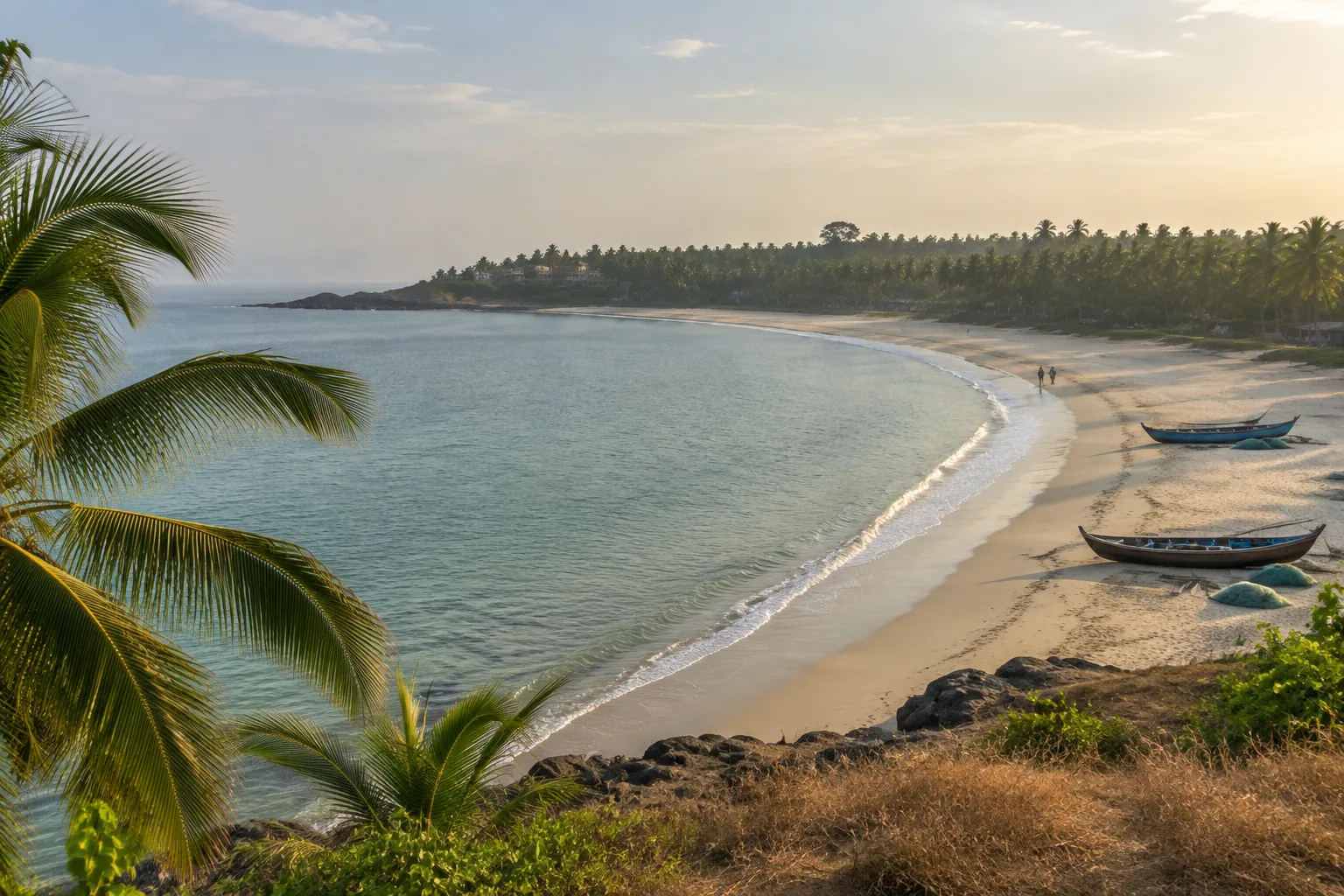
- Beach travellers: choose the dry months, since the monsoon is weaker for beach itineraries.
What should you plan in any season?
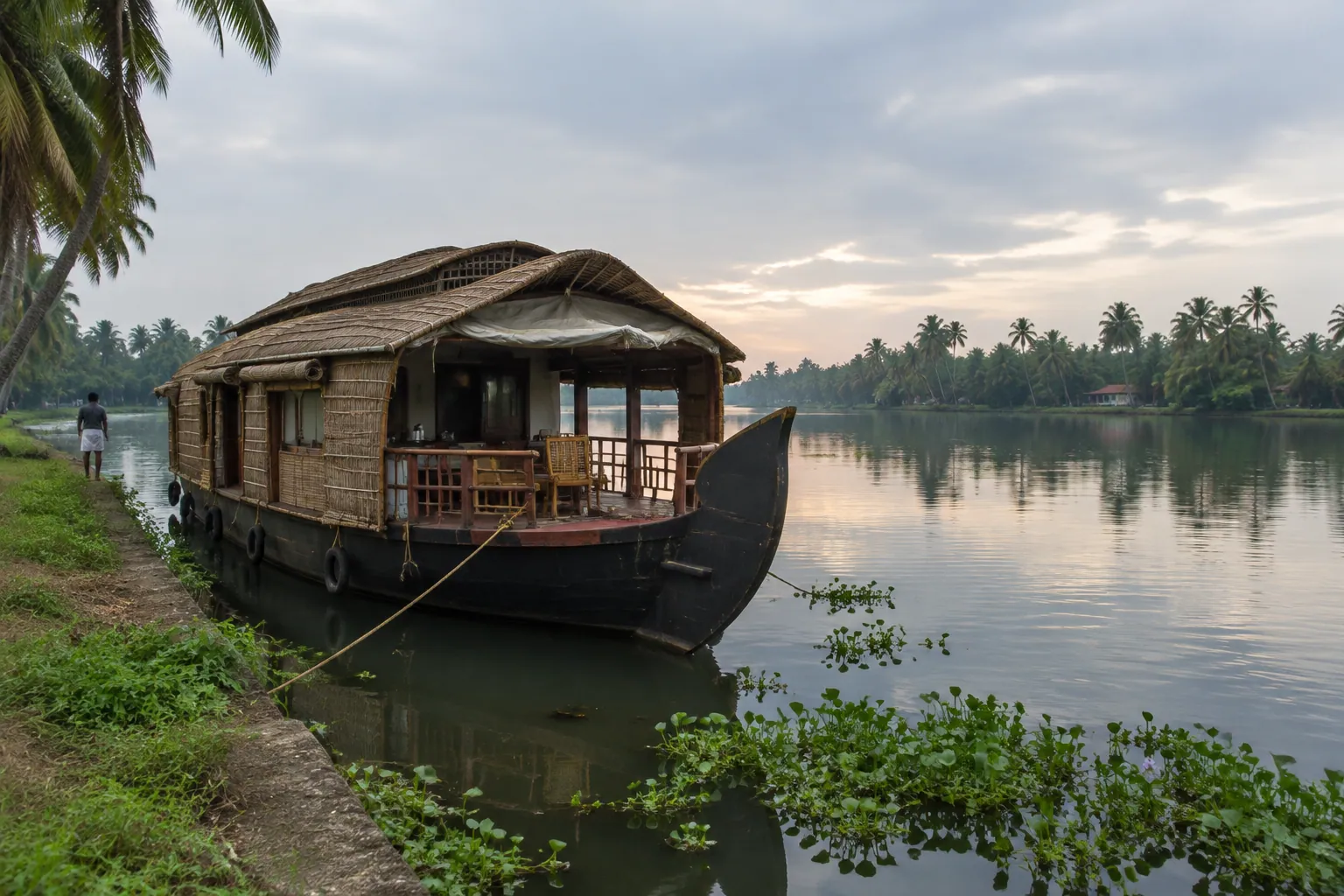
Distances between Munnar, Thekkady and Alleppey are easy to underestimate, and rain makes them worse, so avoid packing every stop into a short trip. Check houseboat condition and the boat's schedule, because houseboats in Alleppey must typically return to the jetty by about 6 PM. In the monsoon, keep a flexible plan and carry rain protection and closed, grippy footwear.
How was this guide compiled?
This guide is compiled from published tourism, weather and transport information and traveller reports about Kerala, and was last checked on 2 November 2026. Prices, schedules and rules change, so confirm details before you book.
Where to go next
Plan your route with places to visit in Kerala, choose activities in things to do in Kerala and see our Kerala tour packages.